
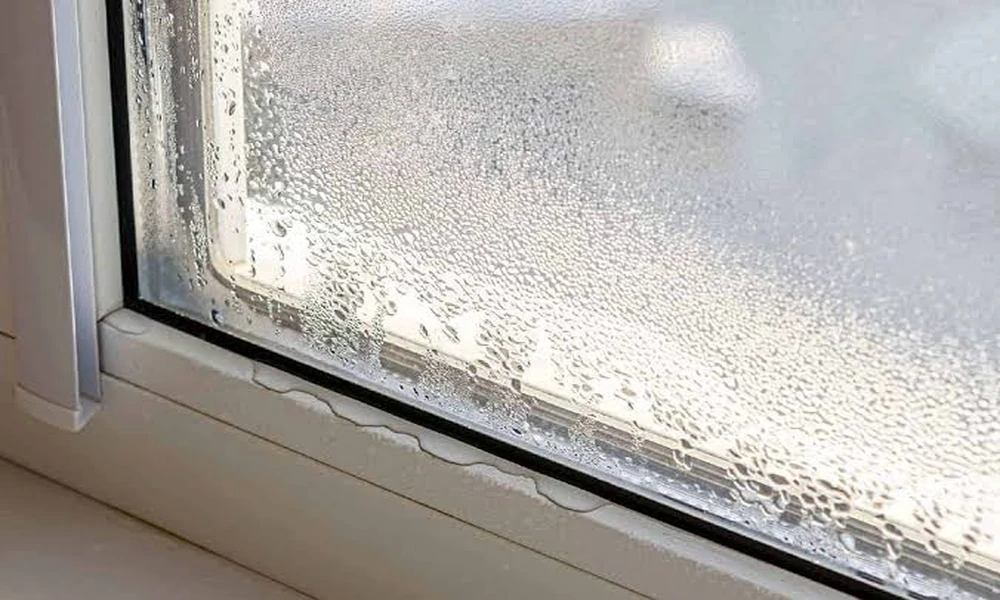
Rainwater can enter a building through small gaps around window frames and door edges. These openings may damage paint and weaken nearby surfaces over time. Choosing a suitable duct sealant for specific gaps helps block unwanted moisture and supports better protection. However, not every sealing product works equally well on every material. Understanding product types and correct application methods helps property owners reduce leaks, maintain dry interiors and avoid unnecessary repair costs.
Understanding Common Sealant Types
Silicone Products For Flexible Sealing
Silicone sealants resist moisture and remain flexible during temperature changes, making them suitable for sealing glass edges and window frames.
Acrylic Sealants For Small Gaps
Acrylic sealants work well on indoor frame joints because they are easy to apply and can usually be painted after drying.
Hybrid Sealants For Multiple Surfaces
Hybrid formulas combine useful properties from different sealant types, offering strong adhesion and flexibility across several common frame materials.
Butyl Sealants For Moisture Barriers
Butyl products provide reliable moisture resistance around selected joints and flashing areas, particularly where a flexible barrier is required.
Selecting Products By Material
Wood, metal, glass and masonry require compatible formulas, so always check the product label before applying sealant around existing frames.
Indoor And Outdoor Product Choices
Exterior joints need stronger resistance to rain and sunlight, while interior applications may prioritise paintability and low odour during application.
Preparing Frames Before Application
Clean Surfaces For Better Adhesion
Remove dust, loose paint, old residue and grease before starting. Clean surfaces allow the chosen material to form a stronger bond.
Allow Surfaces To Dry
Moisture trapped beneath fresh material can reduce adhesion and affect performance. Follow the manufacturer’s drying guidance before beginning the repair.
Check Gaps And Frame Movement
Inspect corners and joints for visible openings. Larger gaps may require backing material before application rather than a thick layer of sealant.
Choose The Correct Application Tools
A suitable sealant gun helps control the flow and keeps the bead even. Masking tape can also protect nearby surfaces.
Applying Sealant For Lasting Protection
Create A Smooth Continuous Bead
Apply an even line along the joint without leaving gaps. Smooth the surface using the method recommended on the product label.
Protect Corners And Joining Points
Corners often allow moisture to enter when the material separates. Pay attention to meeting edges and ensure the seal remains continuous.
Allow Proper Curing Time
Keep the repaired area dry for the period specified by the manufacturer. Premature exposure to rain may weaken the bond.
Use Supporting Materials Where Needed
Some joints require backing rods or suitable fillers to control depth and improve performance. A duct sealant is not automatically suitable for every window or door repair, so confirm its intended use first.
Common Mistakes That Reduce Performance
Applying new material over dirt often leads to early failure. Other mistakes include choosing an incompatible formula, using excessive amounts and ignoring the required curing time. Avoid sealing drainage openings designed to release trapped water. If frames are loose or badly damaged, repair the underlying structure before sealing the joints.
Reliable moisture control starts with selecting a compatible product and preparing each surface properly. Inspect frame edges carefully before choosing a suitable formula. Apply a continuous bead and allow sufficient curing time. Regular checks help identify early damage before it spreads. For persistent leaks, examine flashing, drainage and frame condition rather than relying on additional sealant alone. These practical steps help maintain stronger barriers around openings and reduce repeated repair work.
FAQs
Which Sealant Works Best Outdoors?
Silicone, polyurethane and suitable hybrid products can perform well outdoors. Choose based on frame material, weather exposure and manufacturer guidance.
Can Sealant Be Applied Over Old Material?
Only if the product specifically allows it and the existing layer remains sound. Removing damaged material usually improves adhesion and reliability.
How Often Should Sealed Joints Be Checked?
Inspect joints at least annually and after severe weather. Replace cracked or detached sections promptly to reduce the risk of water entering.