
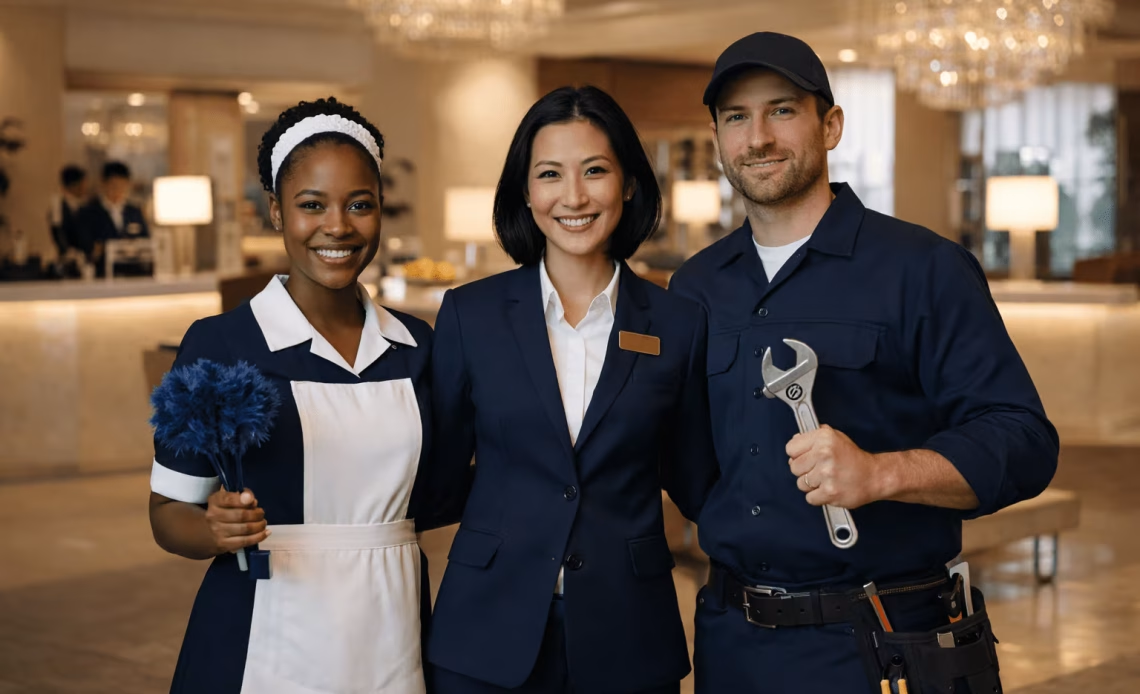
Managing staffing across one hotel can be challenging. Managing teams across several properties, cities, and locations can be even harder.
From front desk agents to housekeepers and food service staff, every property needs the right people at the right time. Effective hospitality staffing helps hotel groups maintain service quality while handling changing guest demand.
For multi-property groups, a consistent staffing approach can make daily operations easier.
How Do Staffing Solutions Support Hotel Groups?
Create a Consistent Staffing Strategy
Each hotel may have different needs, but a shared staffing strategy can bring more consistency. Hotel groups can set common hiring standards, job descriptions, onboarding steps, and performance expectations across properties.
This makes it easier to move employees between locations when needed and helps managers know what to expect. It also creates a more consistent guest experience, even when travelers stay at different properties within the same group.
Respond to Seasonal Demand
Hotel staffing needs can change quickly. Summer travel, holidays, major events, conferences, and local festivals can all increase demand for workers.
Instead of hiring permanent employees for every short-term increase, hotel groups can use flexible staffing solutions to fill temporary gaps. This can help properties keep up with busy periods without creating unnecessary staffing costs during slower months.
Fill Hard-to-Staff Roles
Some hotel positions can be difficult to fill, especially in markets where competition for workers is high. Housekeeping, maintenance, kitchen, banquet, and overnight roles may require quick and reliable hiring.
A well-planned staffing process can help hotel groups find qualified candidates faster and keep important roles from staying vacant for too long. It also takes pressure off existing employees, who may otherwise have to cover open shifts, work longer hours, or manage heavier workloads.
Support Multiple Locations
One of the biggest advantages of a centralized staffing approach is better coordination. Instead of every property handling hiring completely on its own, a shared process can give hotel groups better visibility into workforce needs and reduce duplicate hiring work.
It can also help corporate teams compare needs across properties and spot recurring workforce challenges. This is especially useful when properties share labor markets.
Managers can identify open positions, upcoming demand, and potential staffing gaps across locations. This makes it easier to plan ahead and move resources where they are most needed.
Maintain Service Quality
Guests may not see the work behind hotel operations, but they notice when staffing levels are too low. Long check-in times, delayed housekeeping, or slow service can quickly affect the guest experience.
Keeping enough trained employees on-site helps hotels maintain consistent service standards and deliver a better guest experience. Clear onboarding and training processes also help new workers understand their roles, responsibilities and service expectations before they begin working with guests.
Conclusion
Multi-property hotel groups need a staffing approach that is flexible, organized and easy to manage. By creating consistent processes, preparing for seasonal demand, filling difficult roles and coordinating workers across locations, hotels can respond to changing needs more effectively.
A coordinated staffing approach can help hotel groups build stronger teams, reduce staffing gaps and keep daily operations running smoothly. With better workforce planning, properties can prepare for busy periods, respond to changing demand and continue delivering the consistent service guests expect.