
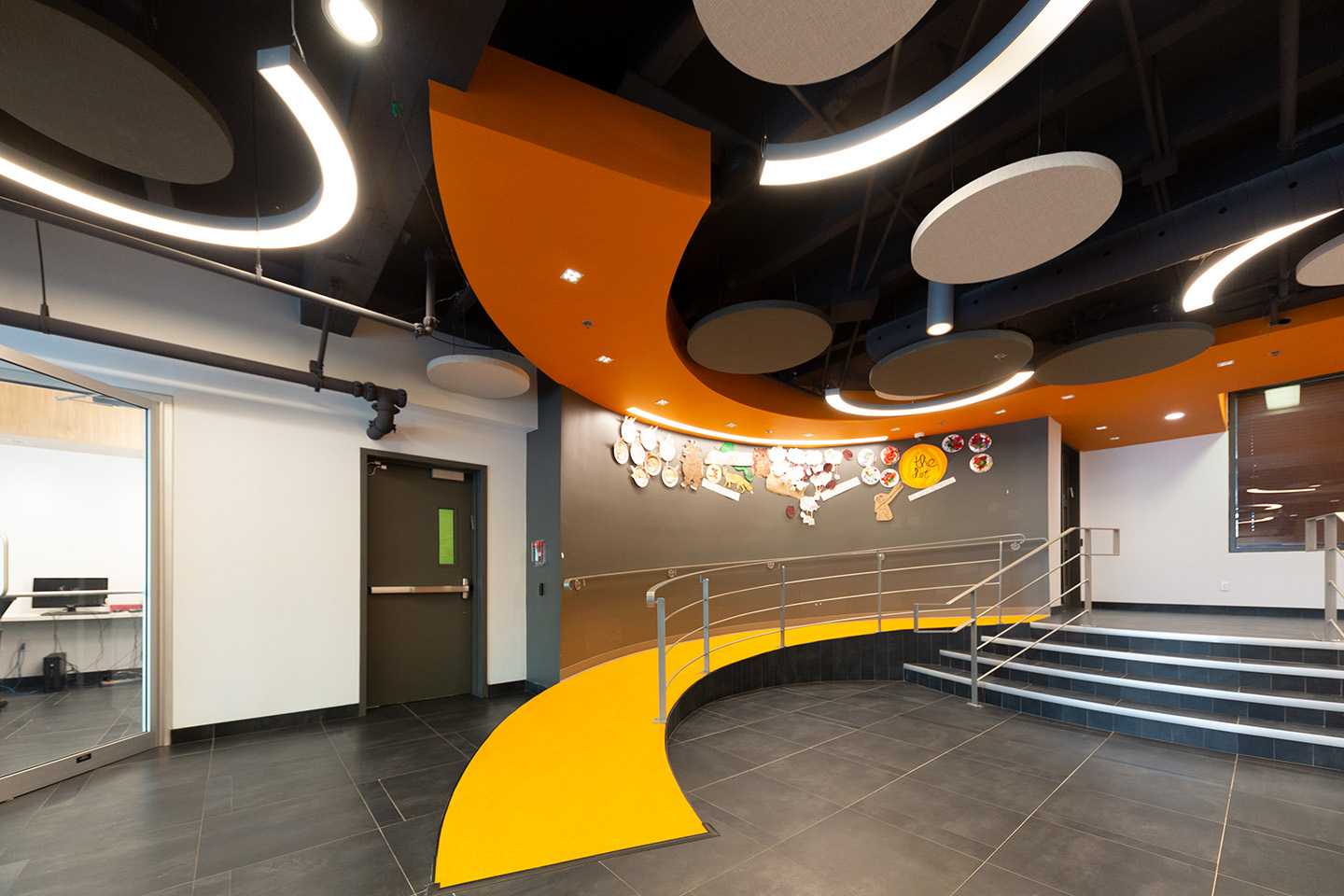
Welcome to the world of retail, where trends evolve swiftly and brands are made overnight. Even with an increasingly e-commerce-focused world, the brick-and-mortar retail space has maintained its relevance, playing a pivotal part in shaping customer experiences. This has allowed modern retail store architecture to evolve, thus championing innovative design and customer considerations.
Here are the three key aspects of modern retail architecture:
Aesthetics
First impressions are important in retail, and architectural design must accommodate for this. By deeply considering the brand and purpose of the retail space – architecture can craft an immersive and truly exciting environment for customers to explore. Thoughtfully curated interiors, engaging spaces, and other such innovative designs can invite more customers. An essential element here is design that resonates with the brand – such as building a comfortable space for a cafe or building an energetic environment for a sports store! No matter the requirement, aesthetics are given a high priority by modern architecture.
Efficient Use of Space
Real estate demands a premium price, thus requiring that available space is used efficiently. Current retail architecture focuses on optimized layouts. These enhance the customer flow and experience to maximize product visibility. The layout also ensures employees and brand representatives can have control of the environment, identifying and reaching a customer in need instantly. In this sense, limited space is not a challenge but an opportunity for architecture to provide a more focused and experiential space.
End-to-end Sustainability
Sustainability is beyond a buzzword, now becoming an important factor for both brands and customers alike. Architecture of course has evolved to answer this need. A sustainable retail space now features green roofs for energy, rainwater harvesting systems, and recycled materials wherever possible. These outward features are essential in attracting an environmentally-conscious consumer. Within the store, energy-efficient lighting and other fixtures ensure that all resources are utilized in a responsible manner, resulting in a genuine positive impact. In this sense, sustainable design aligns a brand with ethical values and environmental consciousness, a need shared by modern architects.
Modern retail architecture didn’t evolve overnight but through careful consideration and focus. Stendel + Reich retail architects have been at the forefront of this process. By reaching out to these experts, your brand can champion a retail space that is aesthetically pleasing, efficient, and also conscious of the environment – the three factors demanded by the modern consumer. Afterall, in this competitive space, architecture can help you gain an essential advantage!