
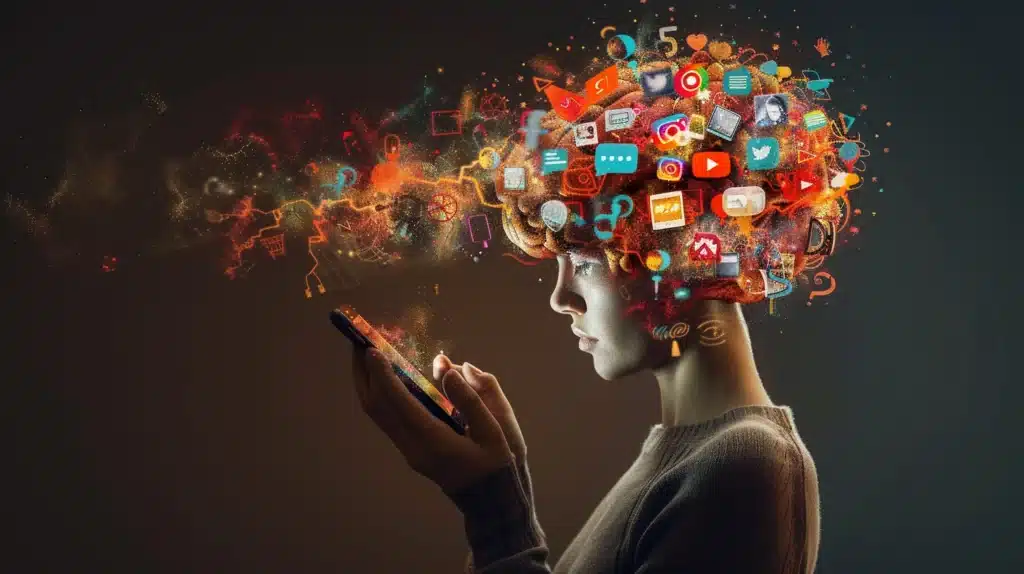
Social media has changed the way people communicate, interact, and share information. It is not just a digital platform for posting content, but a space where emotions strongly influence user behaviour, helping businesses build your brand with social media through meaningful connections. Many people respond to posts not because of logic, but because of how the content makes them feel. Understanding the psychology behind social media helps marketers and organisations create content that attracts attention and encourages engagement.
Social media affects the brain in several ways. When users receive positive responses such as likes, comments, or shares, the brain releases dopamine, a chemical linked to pleasure and satisfaction. This creates a sense of reward and motivates users to stay active on the platform. Because of this emotional response, people are more likely to interact with content that makes them feel happy, inspired, or valued.
To use psychology effectively in social media marketing, it is important to understand the audience. Studying age, interests, values, and online behaviour helps in creating content that connects emotionally. When messages match what people care about, engagement naturally increases. Content should also be tailored based on what the audience responds to most, such as educational posts, motivational stories, or entertaining visuals. Regular analysis of performance helps improve future content strategies.
Emotions play a powerful role in driving engagement. Positive emotions such as happiness, inspiration, and surprise often lead to higher levels of interaction. Content that tells meaningful stories or shows real impact tends to build stronger emotional connections. Using emotions at different stages of communication helps guide users from awareness to action.
Anxiety and fear can also influence engagement when used carefully. Content that highlights problems or challenges can encourage people to take action, such as learning more or supporting a cause. However, fear should not be overwhelming. It should be balanced with hopeful solutions so users feel motivated rather than discouraged.
Awe and inspiration are effective emotional triggers that leave a lasting impression. Content that shows achievements, positive change, or human strength can inspire people to reflect and engage. These emotions encourage users to believe in possibilities and take meaningful steps forward.
Joy and humour are among the most powerful emotions on social media. People enjoy content that makes them smile or laugh, as it creates a positive experience. Humour helps build relatability and makes messages more memorable. Similarly, joyful content such as success stories or positive feedback encourages sharing and interaction.
Anger, when used responsibly, can also drive engagement. Content that highlights injustice or unfair situations can create urgency and motivate action. This emotion can lead to strong reactions and discussions, increasing reach and awareness. However, it should be used ethically to avoid negativity.
In conclusion, social media engagement is deeply connected to human emotions. By understanding emotional triggers and using them thoughtfully, organisations can build stronger connections, encourage participation, and create meaningful engagement. Emotional marketing, when used responsibly, helps content resonate and achieve lasting impact.