
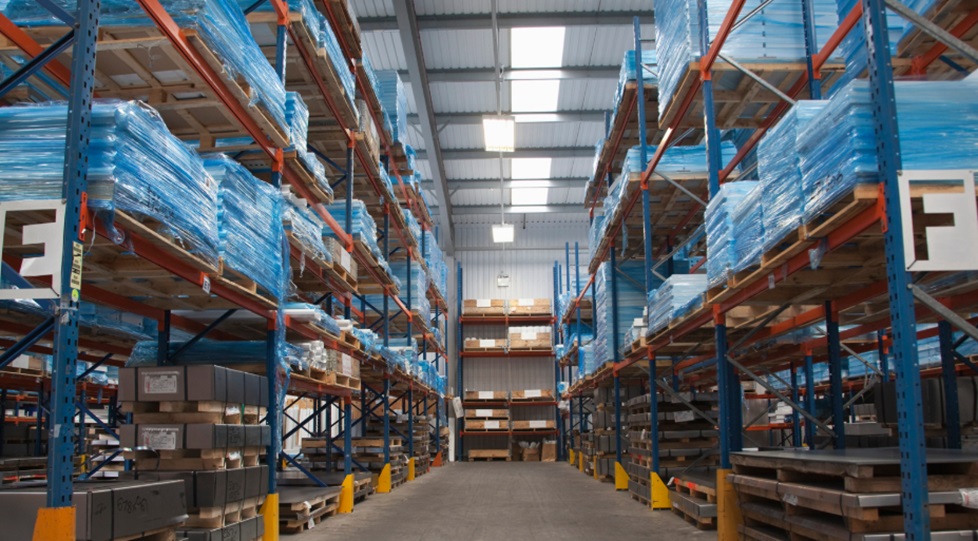
Choosing the right supplier can significantly enhance your facility’s efficiency by providing systems tailored to your storage needs, whether for high-density pallet storage or selective racking options. When evaluating warehouse racking manufacturers, it’s important to consider factors like design flexibility, material quality, and compliance with safety standards. Within the first phase of planning, your priority should be understanding what types of racking systems align with your inventory type, load capacity, and frequency of use. A manufacturer’s experience and ability to design custom-fit solutions are often the differentiators that drive operational success.
What to Look for in a Warehouse Racking Manufacturer
When evaluating potential racking manufacturers, start by analyzing their product range, engineering quality, and material standards. A supplier offering a diverse selection of racking systems such as cantilever, push-back, and pallet flow racks, demonstrates their capability to handle various operational challenges.
Equally important is their compliance with safety standards and installation guidelines. Choosing a supplier without adequate design expertise or safety practices could lead to instability, frequent breakdowns, or even accidents. Many businesses overlook critical safety aspects during the buying process. However, ignoring key design considerations can result in costly inefficiencies, as shown in discussions about what not to do with a warehouse racking system, including overloading and improper anchoring.
Before finalizing your decision, assess their industry experience, whether they offer design consultation services, and how flexible they are with custom layouts. Manufacturers who take the time to understand your warehouse flow and SKU characteristics are better positioned to deliver systems that truly serve your long-term goals.
Why the Right Manufacturer Matters
A well-designed racking system from a reliable manufacturer does more than just store goods. It improves safety, boosts space utilization, and creates a seamless workflow from receiving to shipping. Manufacturers that offer turnkey services, including design, engineering, installation, and ongoing maintenance, can provide immense value over time.
Furthermore, warehouse racking system upgrades boost productivity by optimizing picking routes, allowing better use of vertical space, and reducing retrieval time. This leads to faster operations, lower labor costs, and improved order accuracy, especially in facilities that handle a wide variety of SKUs.
Investing in a system that’s tailored to your unique operational demands can prevent inefficiencies that would otherwise slow down daily activities or increase risk. Whether you operate a small distribution center or a high-volume fulfillment hub, the right manufacturer will align their solution to support your business scale and performance requirements.
Key Questions to Ask Before Making a Decision
Do they offer system customization?
Not all inventory is created equal. Confirm whether the manufacturer can tailor the racking design based on your pallet sizes, product weight, and handling method.
Are their systems compliant with safety regulations?
Only choose manufacturers who prioritize safety testing and comply with relevant warehouse and building codes.
What is their post-installation service model?
Choose a partner that provides regular inspections, system evaluations, and options for upgrades or reconfiguration as your business evolves.
Conclusion
Your warehouse’s storage infrastructure is the backbone of efficient operations. Selecting a manufacturer who understands your needs, offers scalable solutions, and upholds safety standards can make all the difference in your productivity and profitability. Evaluate each supplier with a focus on long-term impact, not just initial cost, and you’ll find a partner that drives success from the ground up.