
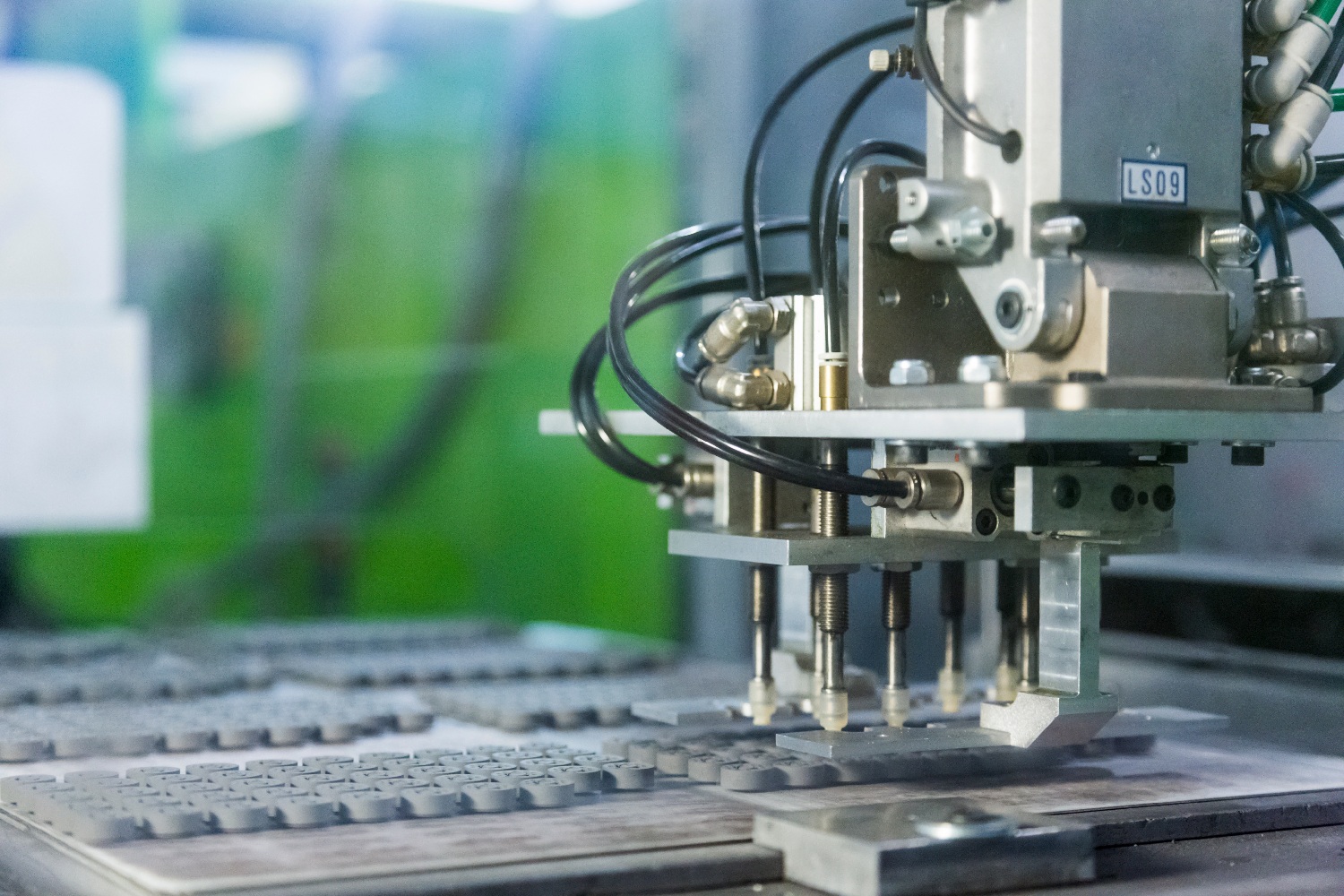
MIM manufacturing represents one of those elegant convergences of art and science that occasionally emerges in industrial processes, much like the way a surgeon’s blade follows the precise architecture of human anatomy to heal rather than harm. This remarkable technology transforms metal powders into intricate components through a process that mirrors, in many ways, the cellular mechanisms by which living organisms build complex structures from simple molecular building blocks.
The story of how metals can be shaped with the precision of plastic, yet retain their fundamental strength, reads like a chapter from the great book of human ingenuity. It is a tale of materials science meeting manufacturing need, where the limitations of traditional metalworking gave way to innovation born from necessity.
The Biology of Metal Transformation
At its essence, mim manufacturing follows a biological metaphor that would be familiar to any student of cellular biology. Just as cells use scaffolding proteins to maintain their shape whilst undergoing complex biochemical processes, MIM manufacturing employs polymer binders to give structure to metal particles during their journey from powder to finished component.
The process begins with the marriage of two seemingly incompatible materials: fine metal powders, typically ranging from 1 to 20 micrometers in diameter, and thermoplastic binders that serve as temporary carriers. This mixture, called feedstock, behaves much like the cytoplasm of a cell, a fluid medium that allows for movement and shaping whilst maintaining structural integrity.
The injection moulding phase resembles the way genetic information directs cellular development. Under controlled temperature and pressure, the feedstock flows into precise moulds, taking on complex geometries that would challenge conventional machining techniques. The metal particles suspend themselves within the polymer matrix, waiting for the next phase of their transformation. Components produced with MIM manufacturing are increasingly being used in high-precision applications, including automotive parts such as kammprofile gaskets, where tight tolerances and reliability are critical.
The Metamorphosis Process
What follows can only be described as a carefully orchestrated metamorphosis, not unlike the transformation that occurs when a caterpillar becomes a butterfly. The process unfolds in distinct stages, each critical to the final outcome.
Debinding represents the first stage of this metamorphosis. Here, the polymer binder is systematically removed through thermal or chemical processes, leaving behind what metallurgists call a “brown part.” This intermediate form maintains its shape through the weak bonds between metal particles, much like the way a developing organism maintains its form during critical growth phases.
Key parameters that govern this transformation include:
• Temperature profiles that must be controlled within narrow ranges
• Atmosphere composition to prevent oxidation during processing
• Heating and cooling rates that influence final material properties
• Powder characteristics including particle size and distribution
• Binder chemistry that affects both processing and final part quality
The Sintering Revelation
Sintering provides the final act in this manufacturing drama. As temperatures approach 75 to 85 percent of the metal’s melting point, something remarkable occurs. The metal particles begin to bond at their contact points, creating a continuous metallic structure without fully melting. It is a process that echoes the way bone tissue remodels itself throughout life, constantly building and rebuilding to maintain strength and adapt to changing stresses.
During this high-temperature treatment, the component shrinks by approximately 15 to 20 percent in each dimension as the metal particles coalesce. This shrinkage must be precisely calculated and compensated for in the initial mould design, requiring the same level of predictive accuracy that a physician uses when prescribing medication dosages based on patient metabolism.
Precision Through Understanding
The beauty of mim manufacturing lies not merely in its ability to create complex shapes, but in its capacity to produce components with mechanical properties that rival those of wrought metals. Density levels reaching 95 to 99 percent of theoretical maximum ensure that the final products possess the strength and durability required for demanding applications.
Surface finishes achieved through MIM manufacturing often eliminate the need for secondary operations, much like the way biological systems create surfaces optimised for their specific functions without requiring external modification. This efficiency represents a fundamental advantage over traditional manufacturing approaches that require multiple processing steps to achieve similar results.
Singapore’s Manufacturing Excellence
Singapore has emerged as a significant centre for MIM manufacturing innovation, leveraging its strategic position and technological expertise to serve global markets. The nation’s approach to manufacturing excellence reflects a deep understanding of both the scientific principles underlying the process and the practical requirements of modern industry.
“Singapore’s MIM manufacturing sector demonstrates remarkable sophistication in both process control and quality assurance,” notes a recent industry assessment. “The integration of advanced monitoring systems with traditional metallurgical expertise creates capabilities that consistently exceed international quality standards.”
Local expertise in MIM manufacturing has developed through careful attention to the tropical environmental conditions that can affect processing parameters. Humidity control, temperature stability, and contamination prevention require adaptive strategies that account for Singapore’s unique climate challenges.
Future Horizons
As we look towards the future of manufacturing, MIM manufacturing stands as a testament to the power of interdisciplinary thinking. By combining insights from materials science, polymer chemistry, and precision engineering, this process continues to evolve and expand its capabilities.
New alloy developments, improved binder systems, and enhanced process controls promise to extend the boundaries of what is possible through metal injection moulding. Like many transformative technologies, its full potential remains to be discovered through continued research and innovation.
The story of transformation from powder to precision component continues to unfold, driven by human creativity and the relentless pursuit of manufacturing excellence that defines modern mim manufacturing.